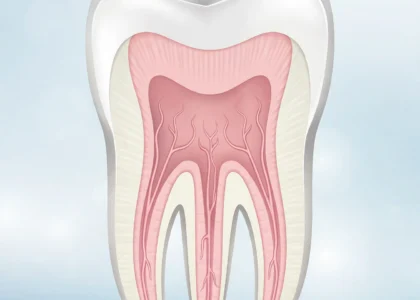


Illustration: a generated illustration of a molar after root canal treatment, shown in the gum and jawbone. Not a patient photo.
If a dentist just told you that you need a root canal, the next question usually comes fast: who should do it? Can your regular dentist handle it, or do you need to see a specialist?
The honest answer is that many root canals are done well by general dentists, and some cases genuinely belong with a root canal specialist, called an endodontist. Here is how to tell the difference, and how we approach it at DNTL SPOT in Hewlett.
Quick summary
Many root canals are done well by general dentists. Some cases genuinely belong with a root canal specialist, called an endodontist.
Specialists are often the right fit for complex cases: retreatment, difficult anatomy, root-end surgery or symptoms that will not resolve.
DNTL SPOT offers root canal treatment, but does not perform retreatments. An exam helps decide what your tooth needs.
The straight answer
An endodontist is a dentist with additional years of specialty training focused on diagnosing tooth pain and treating the inside of the tooth. General dentists perform root canal treatment routinely, and whether a general dentist is the right fit depends on the tooth’s anatomy, the complexity of the case, and the dentist’s training and experience. The American Dental Association’s guidance is the same: your dentist may treat the tooth or refer you to an endodontist, depending on the case.
So “do I need a specialist?” is usually not the first question to ask. The first question is “what does my tooth actually need?” That answer comes from an exam, not from how much it hurts.
What we do here
At DNTL SPOT in Hewlett, Dr. Inessa and Dr. Regina treat patients themselves, and the practice offers root canal treatment. Together, they have performed thousands of root canal treatments over their years in practice.
What we do not perform is root canal retreatment: a second treatment on a tooth that already had a root canal. Retreatment is more complex than the first procedure, because the original filling material has to be removed and the cause of the problem found. If that is what your tooth needs, we will tell you that plainly at the exam.
When a root canal specialist is the right call
Beyond retreatment, some situations often call for an endodontist:
- Complicated anatomy. Very narrow, curved or calcified canals can be difficult to treat completely, and some cases call for a microscope and specialist tools.
- Root-end surgery. Occasionally a tooth needs a small surgical procedure at the tip of the root rather than treatment through the crown.
- Symptoms that will not resolve. If pain lingers after treatment, a specialist evaluation can help find the cause.
None of that is a failure on anyone’s part. Matching the case to the right provider is part of doing the job honestly.
How you find out which one you need
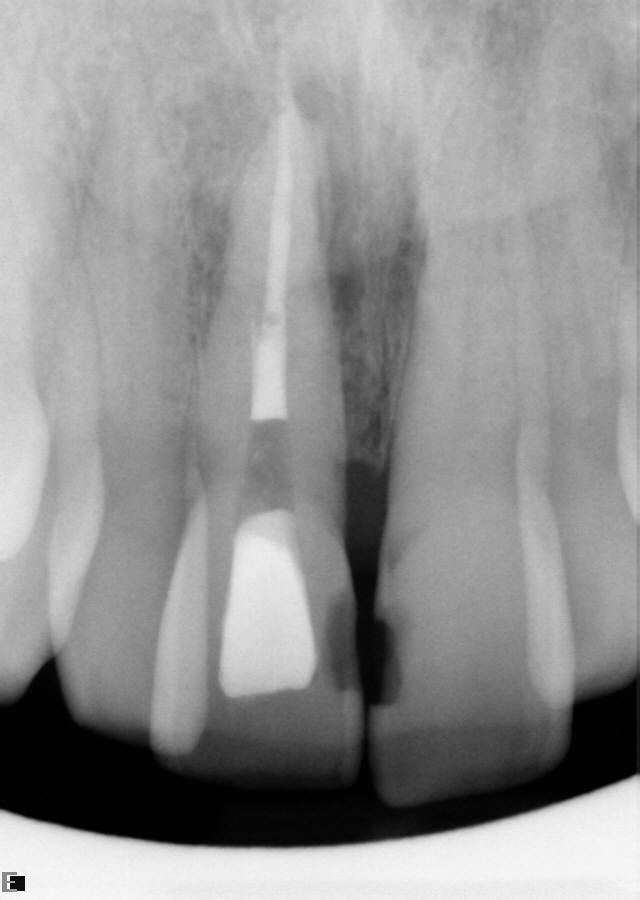
You cannot tell from the pain alone. At your visit we examine the tooth and may take X-rays; if a closer look at the roots is needed, additional imaging such as a 3D scan may be part of that. Then you get a straight answer: this is a tooth we can treat here, or this is a case we would send to a specialist, and why.
Three questions worth asking at the exam:
- What does my tooth need? Pain alone cannot tell you; the exam and any imaging guide the answer.
- Can the tooth be treated here or does it need a specialist, and why?
- What comes afterward? Some teeth may need a crown after treatment; ask about the plan, cost and insurance benefits.
What a root canal visit is actually like
The tooth is numbed so you stay comfortable. The inflamed or infected tissue inside is removed, the canals are cleaned and sealed, and the tooth is closed up. Some teeth, especially back teeth, may need a crown afterward, depending on the assessment.
Cost and insurance, in plain terms
Cost depends on the tooth and the case. We are in network with most major PPO plans and check your benefits before treatment. No insurance? Ask about our membership plan.
When tooth pain can’t wait
Severe throbbing that pain relievers don’t touch, swelling in your face or gums, or a fever can signal an infection that is spreading, so don’t wait those out: call us as early as you can. We hold time for urgent cases every day we are open, including Sundays. If swelling ever makes it hard to breathe or swallow, treat it as an emergency and call 911 or go to the emergency room first. Not sure whether your symptoms point to a root canal? Start with 7 signs you need a root canal, or read more about emergency dental care at DNTL SPOT.
Questions about choosing a root canal specialist
Do I always need a root canal specialist?
No. Many root canals are handled from start to finish by general dentists. Whether that is the right fit depends on the tooth’s anatomy, the case’s complexity and the dentist’s training and experience. An endodontist has additional specialty training. The useful question is not simply who has the specialist title, but what your particular tooth needs.
Does DNTL SPOT perform root canal retreatments?
No. DNTL SPOT offers root canal treatment but does not perform retreatments. Retreatment means treating a tooth that has already had a root canal. It is more complex because the original filling material must be removed and the cause of the problem found. If that is what your tooth needs, we will explain it at the exam.
Can the amount of pain tell me which provider I need?
Pain alone cannot tell you whether you need a root canal specialist. We examine the tooth and may take X-rays. If the roots need a closer look, additional imaging may be part of that assessment. You should leave with an explanation of whether we can treat the tooth here or would send you to a specialist, and why.
What should I ask about after the treatment?
Ask whether the tooth may need a crown, what the treatment plan involves and how your insurance benefits apply. Some teeth, especially back teeth, may need a crown afterward. Cost depends on the tooth and the case; we check benefits before treatment. If you do not have insurance, ask about the membership plan.
The bottom line
Many root canals are handled start to finish by a general dentist. When a case belongs with a specialist, you deserve to hear that plainly, with the reason. If you are not sure whether you need a root canal specialist, that is exactly what the exam is for. Call DNTL SPOT at (516) 226-9160 and we will take a look.