Elevate your smile. Enjoy an exclusive $150 off our professional teeth whitening.

Bad Breath Treatment in Hewlett, NY

Find the cause instead of covering it up — discreet, practical treatment in Hewlett.

Persistent bad breath is a medical problem with a cause, not a hygiene failure or a character flaw. The large majority of cases start in the mouth, which means a dentist can usually find the reason and fix it. At DNTL SPOT in Hewlett, NY, Dr. Inessa Murdakhayeva and Dr. Regina Murdakhayeva will look properly rather than hand you a mouthwash.

This is a routine conversation for us. Nobody here is going to react. Call (516) 226-9160 or book online.

Check Time Slots

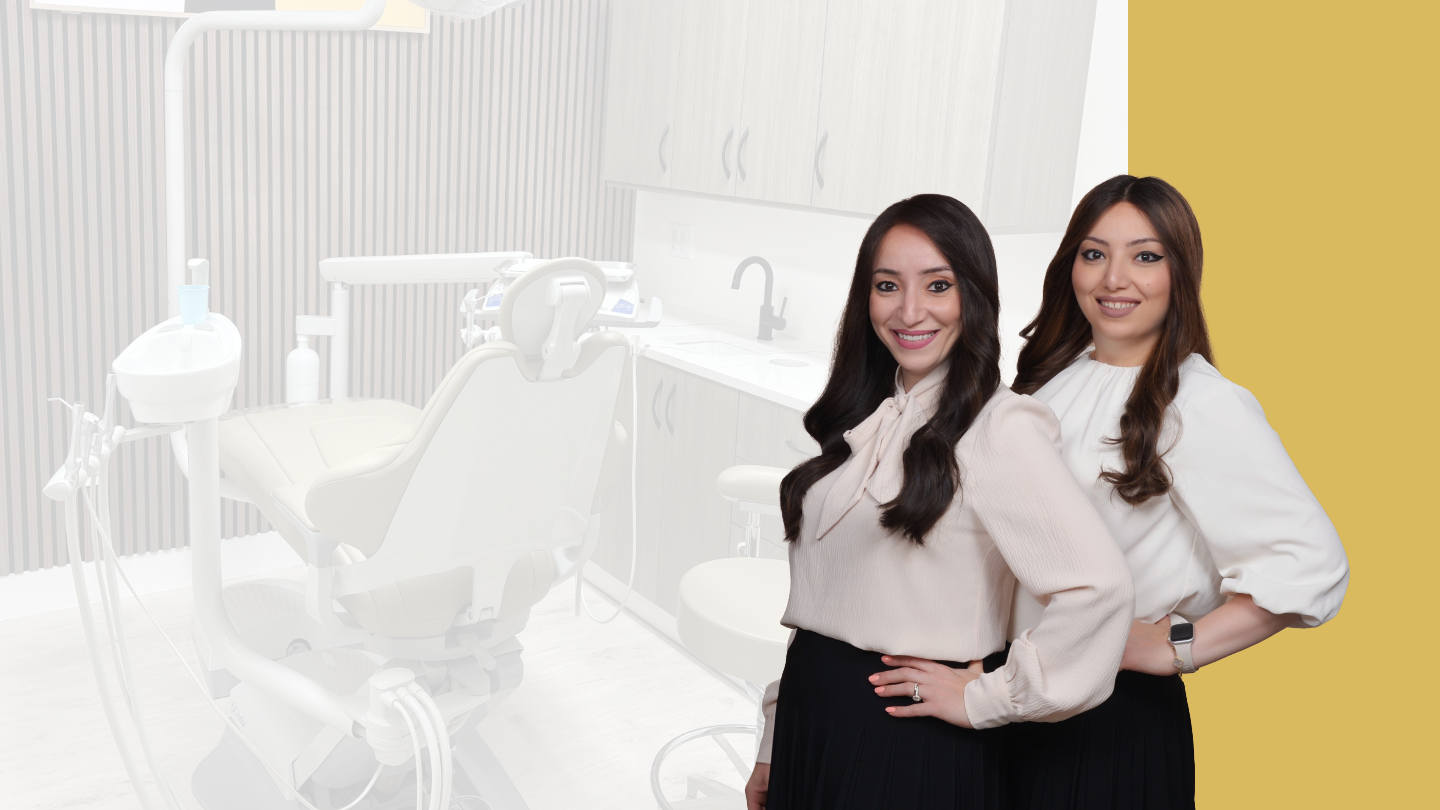
Bad breath treatment consultation at DNTL SPOT in Hewlett, NY
Finding the cause of bad breath starts with a proper examination, not a mouthwash.

A real diagnosis

We find what is actually causing it rather than handing you a mouthwash.

Written costs up front

An itemized estimate with your insurance applied, before treatment starts.

Seen by an owner-dentist

Dr. Inessa and Dr. Regina treat you themselves, start to finish.

What causes bad breath

The smell itself comes from volatile sulfur compounds — gases produced by bacteria as they break down proteins from food, saliva and dead cells. Find where those bacteria are living and you have found the cause.

The tongue

The back of the tongue is the single most common source. Its surface is not smooth but a dense field of papillae, and the coating that builds up in those crevices is an ideal anaerobic environment. Most people brush their teeth thoroughly and never touch their tongue, which is why tongue cleaning alone resolves a meaningful share of bad breath.

Gum disease

Periodontal pockets are deep, oxygen-poor spaces between gum and tooth that harbor exactly the bacteria responsible. Gum disease is the second most common cause, and the one people are least likely to know they have — it is usually painless until it is advanced. Bleeding when you brush is the signal worth acting on. The American Dental Association has a good overview.

Decay and failing dental work

A cavity, a cracked filling, or a crown with a gap at the margin creates a sheltered space that cannot be cleaned. Food and bacteria sit there between brushings.

Dry mouth

Saliva is the mouth’s own cleaning system — it rinses, buffers acid and carries oxygen that suppresses anaerobic bacteria. Reduce it and bad breath follows. Hundreds of common medications cause dry mouth, including antihistamines, antidepressants, blood pressure drugs and diuretics. So does mouth breathing, snoring, dehydration, and simply getting older.

Food debris and appliances

Dentures, retainers and aligners that are not cleaned daily grow a biofilm of their own. So does food packing consistently into one spot between two teeth.

Tonsil stones

Small calcified deposits in the tonsil crypts, which produce a distinctly foul smell out of proportion to their size. Common, harmless, and frequently missed — people assume the problem is their teeth.

Causes outside the mouth

A minority of cases have a cause a dentist cannot treat, and part of our job is recognizing those and pointing you to the right place rather than cleaning your teeth again and hoping.

  • Sinus and throat conditions. Chronic sinusitis and post-nasal drip feed protein-rich mucus to the back of the tongue continuously.
  • Reflux. Acid reflux carries stomach contents and their odor upward, and it also erodes enamel, which we can often see before you have been diagnosed.
  • Diabetes. Poorly controlled diabetes can produce a sweet or acetone-like smell. This is worth mentioning to a physician.
  • Kidney or liver disease. Rare, and usually accompanied by other symptoms, but they produce characteristic odors.
  • Low-carbohydrate and fasting diets. Ketosis produces a distinctive breath smell that no amount of brushing will shift. It is harmless.
  • Tobacco. Smoking and vaping cause bad breath directly, dry the mouth, and substantially raise the risk of the gum disease that causes more of it.

We check the mouth thoroughly first, because that is where the answer usually is. If it is clearly not dental, we will say so and suggest who to see.

Tried everything and it keeps coming back?

That usually means the cause has not been found yet. We will look properly.

How to tell if you actually have it

You cannot smell your own breath. The nerves responsible adapt within seconds to a constant odor, which is why this is so hard to self-assess and why people swing between assuming they are fine and being convinced they are not.

Two reasonable home checks. Lick the inside of your wrist, let it dry for ten seconds, and smell it — that reflects the front of the tongue, which is the mildest area. Better: scrape the very back of your tongue with a plastic spoon, let it sit for a few seconds, and smell that. The back of the tongue is where the problem usually lives.

The most reliable option is simply to ask someone who will tell you the truth. Failing that, ask us — we assess this professionally and without ceremony.

There is also the opposite problem. Some people are convinced they have bad breath when they measurably do not, a condition called halitophobia. It is genuinely distressing, and repeated dental treatment does not help it. If we find nothing after a proper assessment, we will tell you that honestly and talk about what might help instead.

What works, and what does not

Clean your tongue daily. A tongue scraper beats a toothbrush for this. Go as far back as you can tolerate, scrape forward, rinse, repeat a few times. For many people this alone makes the biggest single difference.

Clean between your teeth every day. Brushing reaches about 60 percent of the tooth surface. The rest is where bad breath bacteria are most comfortable.

Treat the gum disease. No amount of home care fixes deep pockets. They need professional cleaning below the gum line.

Deal with dry mouth. Sip water through the day, chew sugar-free gum with xylitol to stimulate saliva, and ask us about saliva substitutes. Do not review or stop any prescribed medication without speaking to the prescriber.

Keep appliances clean. Dentures out overnight and cleaned properly; aligners and retainers rinsed and brushed daily.

What does not work as well as people hope:

  • Alcohol-based mouthwash. It masks the smell for twenty minutes and then dries the mouth, which makes bad breath worse over the course of a day. If you use a rinse, choose an alcohol-free one — formulations with chlorhexidine, cetylpyridinium chloride or zinc actually neutralize sulfur compounds rather than covering them.
  • Mints and gum with sugar. Twenty minutes of cover, plus feeding the bacteria.
  • Brushing harder or more often. Past twice a day this damages gums and enamel without addressing the tongue or the spaces between teeth.
  • Avoiding the dentist because you are embarrassed. This is the one that costs people years.

Feeling awkward about bringing it up?

It is a common reason people come in, and the conversation stays between us.

A two-week plan worth trying first

If your bad breath is recent and mild, it is reasonable to try this before booking. If it is persistent, do it anyway — it makes the appointment more useful, because we will know what has already been ruled out.

  • Scrape your tongue every morning, as far back as you can manage, three or four passes.
  • Clean between every tooth once a day. Floss, interdental brushes or a water flosser — whichever you will actually use.
  • Brush twice daily with fluoride toothpaste, two minutes, and spit rather than rinse.
  • Drink water through the day, and chew sugar-free xylitol gum after meals to stimulate saliva.
  • Swap an alcohol mouthwash for an alcohol-free one, or drop it entirely.
  • Clean any appliance daily and leave dentures out overnight.

Give it two weeks. If the bad breath clears, you have found your answer and you only need to keep it up. If it does not shift at all, that is genuinely useful information: it points away from simple hygiene and toward gum disease, dry mouth, a failing restoration or something outside the mouth — all of which need an examination rather than more effort at home.

What we would rather you did not do is spend another year cycling through mouthwashes. Bad breath that survives two weeks of genuinely good home care has a cause, and finding it is a single appointment.

How we treat bad breath

1. A proper assessment

We take a history — how long, whether it is constant or intermittent, medications, medical conditions, diet, smoking — then examine the teeth, gums, tongue and throat, and measure gum pocket depths. Pocket charting is the step most often skipped elsewhere and it is frequently where the answer is.

2. Finding the source

Decay, leaking restorations, pockets, tongue coating, dry mouth, tonsil stones, or something that is not dental at all. We tell you which, and how confident we are.

3. Treating it

That might be a thorough professional cleaning, deep cleaning below the gum line where there are pockets, replacing a failing filling or crown, treating decay, managing dry mouth, or a referral. Most bad breath resolves once the actual source is dealt with.

4. A routine you will actually follow

Specific to what we found, not a generic leaflet. If your issue is the tongue, we will show you the technique. If it is spacing between two molars, we will show you which tool reaches it.

5. Review

We check back to confirm it worked rather than assuming. If it did not, that itself is information and we look further.

Morning breath, garlic and other normal things

Not everything is a problem. Saliva flow drops to almost nothing during sleep, so bacteria multiply unchecked overnight — morning breath is universal and it clears within minutes of brushing. If yours does not clear, that is the difference worth mentioning to us.

Garlic, onions and spices are a separate mechanism entirely. Their compounds are absorbed into the bloodstream and released through the lungs, which is why brushing does nothing and why the smell can last up to two days. Time is the only cure. Raw apple, lettuce and mint leaves do genuinely help a little.

Coffee, alcohol and a low-carbohydrate diet all cause temporary bad breath through dryness or ketosis. Normal, and not a reason to book an appointment.

The distinction that matters: transient bad breath has an obvious recent cause and clears. Persistent bad breath is there most days regardless of what you ate or how well you brushed. The second one has a cause worth finding.

Want to know what it will cost?

An itemized estimate with your insurance applied, before anything starts.

Cost and insurance in Hewlett

A bad breath assessment is carried out as part of a comprehensive examination, which most dental plans cover at or close to 100 percent as a diagnostic service. What follows depends on what we find — a routine cleaning, a deep cleaning, or restorative work — and each is quoted in writing before it happens.

We are in network with fourteen PPOs — Aetna, AlwaysCare, Ameritas, Anthem, Cigna, Delta Dental, GEHA, Guardian, Humana, Lincoln Financial, MetLife, Principal, United Concordia, and United Healthcare — and we confirm your benefit before treatment. We do not participate in Medicaid or Medicare. Financing options are on our financial information page, and our membership plan covers preventive care and discounts treatment for uninsured patients.


Dentists treating bad breath in Hewlett, NY
Dr. Inessa and Dr. Regina Murdakhayeva at DNTL SPOT, 1455 Broadway, Hewlett.

Why patients choose DNTL SPOT

DNTL SPOT is owned and run by two sisters, Dr. Inessa Murdakhayeva and Dr. Regina Murdakhayeva. This is a subject people find difficult to raise, and how it is received matters.

  • No reaction, no awkwardness. It is a clinical problem and we treat it as one.
  • We look for the cause. Gum pockets charted, tongue examined, medications reviewed — not a cleaning and a leaflet.
  • We will tell you if it is not dental. And who to see instead.
  • We will also tell you if there is nothing to find. Which is an answer in itself, and one some people have waited years for.
  • Written costs before treatment, every time.
  • Monday, Wednesday and Sunday hours, with free parking outside.

Ready to get an answer?

Pick a time online in under a minute, or call and speak to the front desk.

Serving Hewlett and the Five Towns

We are at 1455 Broadway in Hewlett. Patients come to us for bad breath treatment from Cedarhurst, Lawrence, Inwood, North Woodmere, Lynbrook, Far Rockaway, East Rockaway, Atlantic Beach, and Valley Stream.

If raising it in person feels like a lot, mention it when you book and it will be on the notes before you arrive — you will not have to open the conversation yourself. Our new patient resources page covers what to bring to a first visit.

Frequently asked questions

Why can I not smell my own bad breath?

The olfactory nerves adapt to a constant odor within seconds, so your own breath becomes invisible to you. This is normal physiology, not denial. Scraping the back of the tongue with a plastic spoon and smelling it is the most useful home check.

Is bad breath always caused by poor hygiene?

No, and this is the assumption worth dropping. Plenty of people with meticulous routines have persistent bad breath from gum disease, dry mouth caused by medication, reflux or tonsil stones. Brushing more will not touch any of those.

Can gum disease cause it even if my gums do not hurt?

Yes — and that is the usual situation. Gum disease is typically painless until it is advanced. Bleeding when you brush or floss is the sign most people dismiss.

Will mouthwash fix it?

It masks it. Alcohol-based rinses make things worse over a day by drying the mouth. An alcohol-free rinse with chlorhexidine, cetylpyridinium chloride or zinc actively neutralizes sulfur compounds, but it still does not treat the underlying cause.

Does a tongue scraper really help?

For a lot of people it is the single most effective change they make. The back of the tongue is the most common source, and a brush does not clear the coating as well as a scraper does.

Could my medication be causing it?

Very possibly. Hundreds of common drugs reduce saliva — antihistamines, antidepressants, blood pressure medications and diuretics among them. Bring your list. Never stop a prescribed medication on your own; we work around it instead.

What are tonsil stones?

Small calcified deposits that form in the crypts of the tonsils. They are harmless, surprisingly common, and produce a smell far out of proportion to their size. Gargling and gentle dislodging usually manages them; persistent cases are worth an ENT opinion.

My child has bad breath. Should I worry?

Usually not. Mouth breathing, a blocked nose, or something lodged in a nostril are the common causes in children, along with the same tongue coating adults get. Worth mentioning at their next visit.

Can dentures cause bad breath?

Yes, if they are not cleaned daily or are worn overnight. Acrylic develops a biofilm much as teeth develop plaque. Our dentures page covers cleaning properly.

How long until it improves after treatment?

If the cause is tongue coating or a cleaning, often within days. If it is gum disease, expect a few weeks after deep cleaning as the tissues heal. If nothing has changed after a month, tell us — that means we have not found the real cause yet.

Is bad breath a sign of something serious?

Occasionally. Poorly controlled diabetes, kidney and liver disease each produce characteristic breath odors, and reflux is common. These are the minority, and they usually come with other symptoms, but it is one reason not to simply live with it.

Will you tell me the truth about whether I have it?

Yes. That is what the appointment is for, and an honest answer in either direction is more useful than a polite one.

Ready when you are

Book an appointment

Persistent bad breath has a cause, and in most cases that cause is treatable. Check available times online or call the office — and mention it when you book if you would rather not raise it in the chair.

Visit us

1455 Broadway, Hewlett, NY 11557

Call

(516) 226-9160

Office hours

Monday & Wednesday 9:00 AM–5:00 PM · Sunday 9:00 AM–3:00 PM